Best Barefoot Shoes for the Gym 2026: Lift Heavier, Move Better
The best barefoot shoes for weightlifting, CrossFit, HIIT, and gym training. We tested 6 top models for stability, ground feel, and durability under the barbell.
Standard running shoes introduce instability under heavy loads: compressible foam soles yield unevenly, elevated heels shift weight toward the forefoot, and narrow toe boxes restrict the base of support. Minimalist training shoes remove these variables.
We tested the top barefoot shoes for gym use across squats, deadlifts, Olympic lifts, HIIT workouts, and general strength training. Here are the six best, with detailed reviews on how each performs under the barbell and beyond.
🏆 Quick Picks
- Best overall for the gym: Xero HFS II, versatile, grippy, great for lifting and cardio
- Best premium pick: Vivobarefoot Primus Lite IV, maximum ground feel for serious lifters
- Best for ground feel: Merrell Vapor Glove 6, ultra-thin, barefoot-to-barbell connection
- Best budget pick: WHITIN Minimalist Trail, try barefoot gym training for under $45
- Best stealth option: New Balance Minimus Trail v2, zero-drop looks like any other trainer
Quick comparison
| Shoe | Price | Rating | Best For | |
|---|---|---|---|---|
| Xero Shoes HFS II | $110 | 4.5/5 | Best value | Check Price → |
| Vivobarefoot Primus Lite IV | $160 | 4.7/5 | Everyday wear | Check Price → |
| Merrell Vapor Glove 6 | $100 | 4.5/5 | Ground feel | Check Price → |
| New Balance Minimus Trail v2 | $110 | 4.2/5 | Stealth barefoot | Check Price → |
| WHITIN Minimalist Trail Runner | $45 | 4/5 | Budget pick | Check Price → |
| Feelgrounds Original | $129 | 4.2/5 | Casual sneaker | Check Price → |
Why barefoot shoes for the gym?
Conventional gym shoes are designed for one thing: selling you more cushioning you don't need. Brands market thick foam soles as "energy return" and "impact protection," but for lifting, those features work against you.
Here's what happens when you squat in padded running shoes: your weight compresses the foam, creating instability. Your heels sit higher than your toes (most running shoes have 8-12mm of drop), shifting your center of gravity forward. Your toes get squeezed into a tapered toe box, reducing your base of support.
Barefoot shoes solve every one of these problems:
- Zero drop: Heel and forefoot rest at the same level, maintaining balanced midfoot loading through heavy squats and presses.
- Wide toe box: The digits spread naturally to expand your base of support under load.
- Thin, non-compressible sole: Solid floor contact provides instant sensory feedback without sponge-like compression.
- Low weight: Minimalist uppers eliminate excess bulk during jumps, sprints, and conditioning drills.
- Active arch engagement: Removing passive arch structures obligates intrinsic foot muscles to stabilize the foot actively.
Research supports this. A study in the Journal of Strength and Conditioning Research found that minimalist shoes produced similar squat mechanics to barefoot lifting, while traditional running shoes altered movement patterns. Another study showed that a wider toe box improves balance during single-leg exercises by allowing greater toe splay and proprioceptive input.
What to look for in a gym barefoot shoe
Not every barefoot shoe is built for the gym. Here's what matters when you're under the barbell or on the turf:
- Grip: A non-slip rubber outsole is essential. You don't want your foot sliding on a platform squat or during lateral movements. Look for gum rubber or Vibram outsoles.
- Secure fit: The upper should lock your foot in place without pressure points. Lace-up closure is preferred for dynamic workouts.
- Durability: Gym floors, barbell knurling, and plyo boxes can wear thin uppers quickly. Look for reinforced stitching or protective overlays.
- Low stack height: For lifting, you want 10mm or less. More stack height means more instability under load.
- Versatility: The best gym barefoot shoes handle strength work and cardio. If you only lift, prioritize stability. If you do CrossFit, prioritize grip and durability.
- Breathability: Gyms get hot. Mesh or knit uppers keep your feet cooler during intense sessions.
Best barefoot shoes for the gym, reviewed

Xero Shoes HFS II
Xero's most popular shoe combines a thin, flexible sole with impressive durability. The HFS II works equally well for short runs and everyday wear, making it the best value in barefoot shoes.
✓ Pros
- • Excellent value for money
- • Good ground feel
- • Works for running and daily wear
- • 5,000-mile sole warranty
✗ Cons
- • Not as flexible as Vivobarefoot
- • Styling is polarizing
- • Can run narrow for very wide feet

Vivobarefoot Primus Lite IV
The gold standard for everyday barefoot shoes. The Primus Lite IV delivers exceptional ground feel with a 6mm sole, wide toe box, and featherlight construction. Perfect for walking, light gym work, and daily wear.
✓ Pros
- • Ultra-thin sole for maximum ground feel
- • Extremely lightweight
- • Recycled materials
- • Versatile everyday shoe
✗ Cons
- • Premium price point
- • Durability concerns on rough surfaces
- • Takes adjustment if new to barefoot
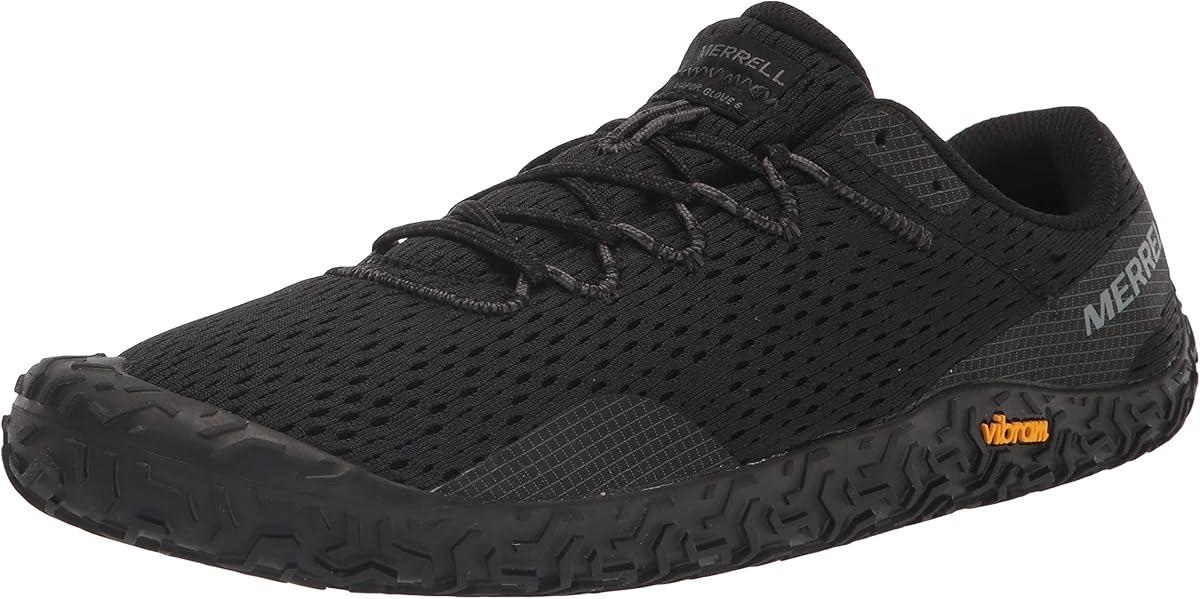
Merrell Vapor Glove 6
The Vapor Glove 6 is Merrell's flagship minimalist shoe, a barely-there running shoe with a Vibram sole. Ultra-thin and ultra-light, it's the closest you'll get to barefoot with a shoe on.
✓ Pros
- • Maximum ground feel
- • Incredibly lightweight
- • Vibram outsole for grip
- • Available at most retailers
✗ Cons
- • Toe box narrower than true barefoot brands
- • Durability issues with heavy use
- • Thin upper offers little protection
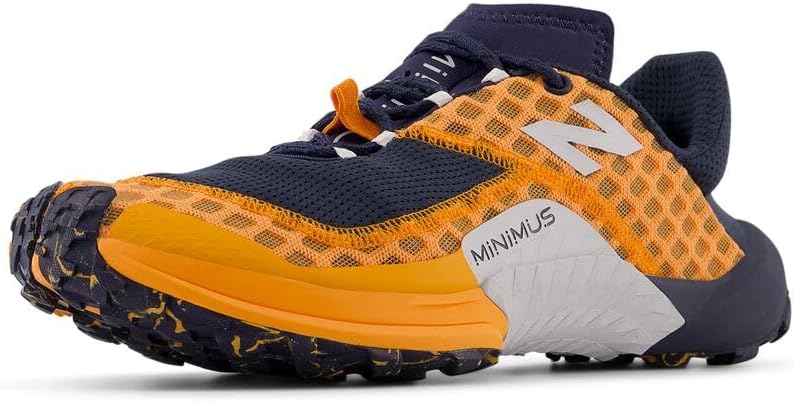
New Balance Minimus Trail v2
New Balance's Minimus looks like any other NB trainer, and that's the point. Zero drop with a Vibram sole, it's the stealth option for people who want barefoot benefits without the barefoot look.
✓ Pros
- • Mainstream brand recognition
- • Nobody will notice these are barefoot
- • Vibram outsole
- • Available everywhere
✗ Cons
- • Toe box narrower than dedicated barefoot brands
- • Less ground feel than true minimalist
- • NB sizing can vary
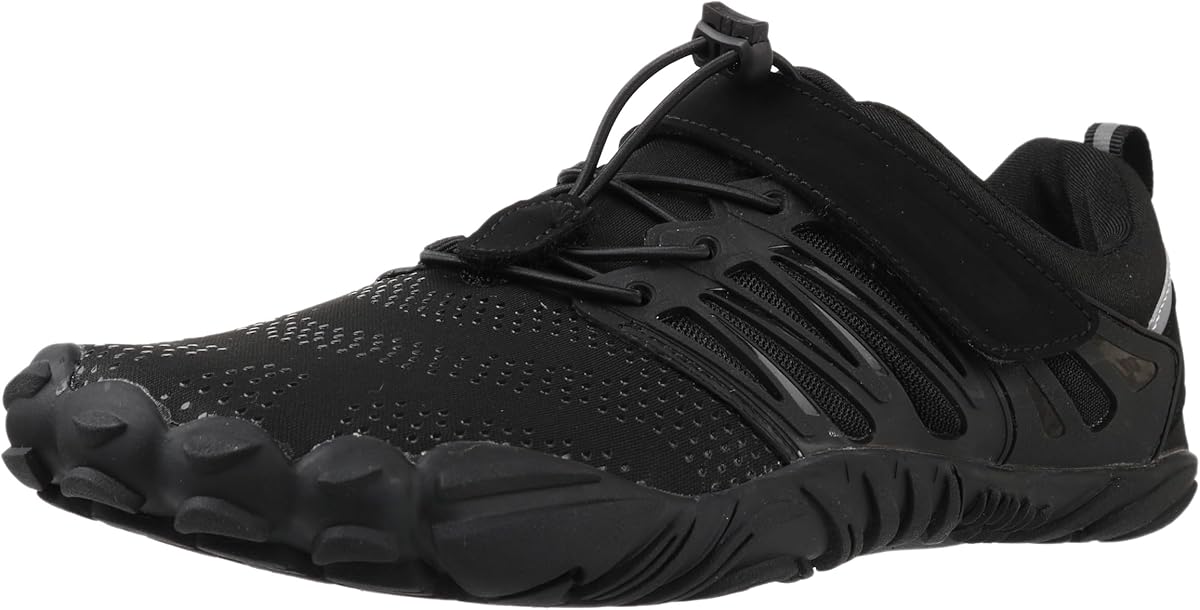
WHITIN Minimalist Trail Runner
At under $50, WHITIN's trail runner is the most affordable way to try barefoot shoes. Wide toe box, zero drop, and reasonable quality make it a risk-free entry point into minimalist footwear.
✓ Pros
- • Incredible value
- • Wide toe box
- • Good for trying barefoot shoes
- • Available on Amazon
✗ Cons
- • Less durable than premium brands
- • Basic materials
- • Sole grip is mediocre
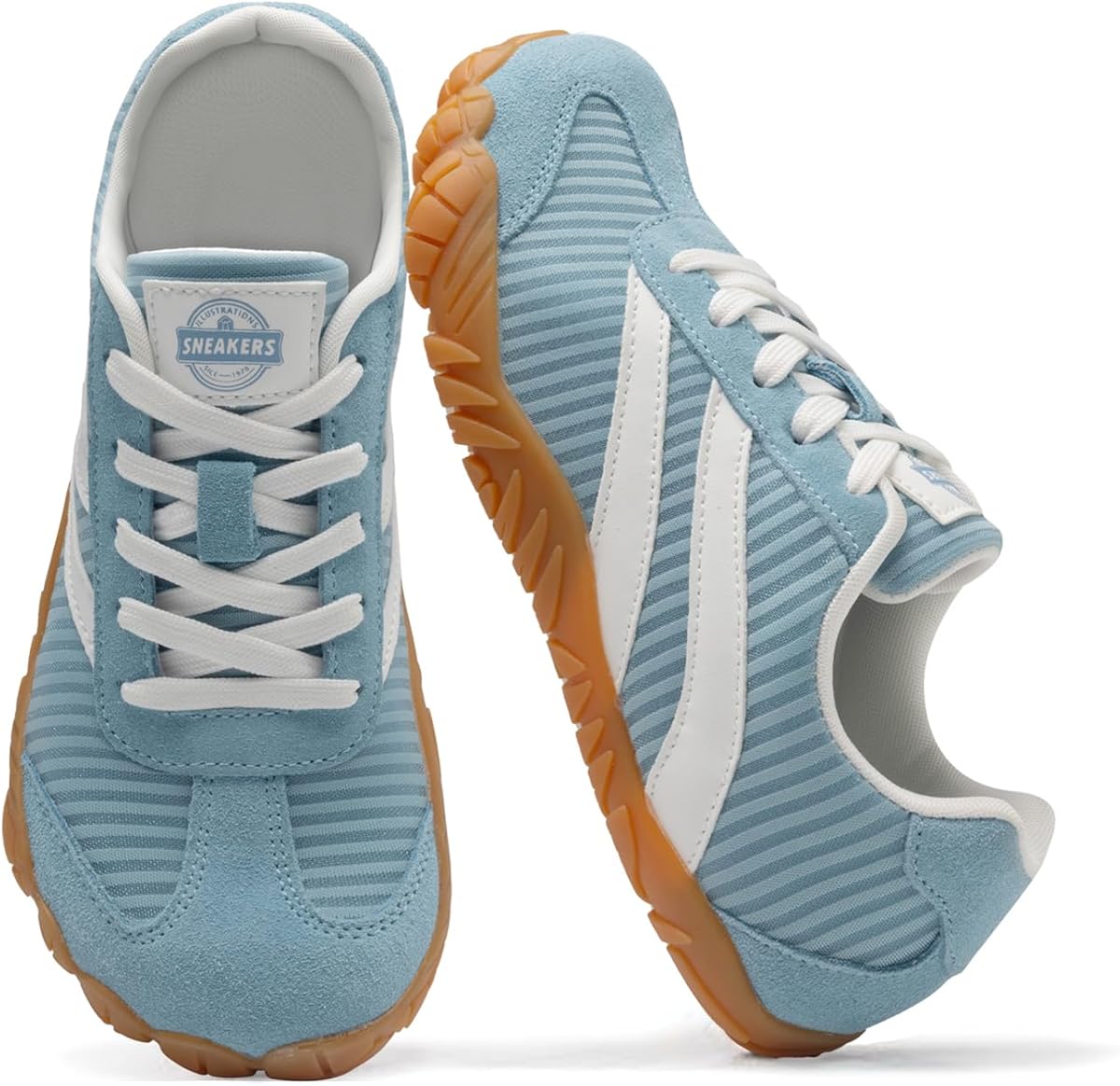
Feelgrounds Original
Feelgrounds' Original is a modern knit barefoot sneaker that doesn't look like a barefoot shoe. Machine washable, comfortable, and stylish, it's converting people who never thought they'd try barefoot.
✓ Pros
- • Knit upper is incredibly comfortable
- • Modern sneaker aesthetic
- • Machine washable
- • Good price point
✗ Cons
- • Knit isn't waterproof
- • Less durable than leather
- • Limited support for long walks on rough terrain
Barefoot shoe gym workouts by type
For strength training and powerlifting
If your gym sessions are built around the squat, deadlift, bench press, and overhead press, you want maximum stability. The Vivobarefoot Primus Lite IV or Xero HFS II are your best bets. Their thin, non-compressible soles give you a solid platform to push from. Many powerlifters actually prefer to lift completely barefoot, and barefoot shoes are the closest you can get while following gym rules.
For deadlifts specifically, barefoot shoes offer a clear mechanical advantage. The zero-drop sole shortens the pull distance and keeps the hips properly positioned, while the wide toe box enables full foot engagement on the platform. Unlike cushioned trainers that compress unpredictably under load, thin soles transmit force directly into the ground.
For CrossFit and functional fitness
CrossFit requires versatility across Olympic lifts, plyometrics, rope climbs, and interval running. The Xero HFS II is widely utilized because it balances durable traction on gym mats with sufficient flexibility for sprint efforts.
The Merrell Vapor Glove 6 is another solid choice for CrossFit if you prioritize ground feel. Its Vibram outsole handles rope work well, though the thin upper may wear faster on rope climbs compared to more reinforced models.
For HIIT and metabolic conditioning
High-intensity interval training involves jumping, sprinting, and lateral agility. Reducing footwear weight minimizes foot fatigue during high-repetition sets. Featherweight options like the Merrell Vapor Glove 6 (5.3 oz) or Vivobarefoot Primus Lite IV (5.6 oz) stay close to the foot without shifting.
The Feelgrounds Original works well for lighter HIIT sessions thanks to its comfortable knit upper and modern fit. For more intense plyometric work, go with a model that has a grippier outsole like the Xero HFS II.
For calisthenics and bodyweight training
Calisthenics athletes benefit from barefoot shoes for the same reasons as lifters: stability and balance. Handstands, pistol squats, L-sits, and pull-ups all require precise body positioning. A wide toe box helps you balance during single-leg movements, and ground feel helps you adjust your stance without looking down.
The WHITIN Minimalist Trail and New Balance Minimus Trail v2 are great budget-friendly options for calisthenics training. They offer enough protection for outdoor park workouts while maintaining the zero-drop, wide-toe-box benefits.
Squat shoes vs. barefoot shoes
There's an ongoing debate in lifting circles: should you squat in raised-heel squat shoes or go flat in barefoot shoes? Let's break it down.
| Factor | Squat Shoes (Raised Heel) | Barefoot Shoes (Zero Drop) |
|---|---|---|
| Heel elevation | 0.5"–0.75" raised heel | 0mm (flat) |
| Best for | Lifters with limited ankle dorsiflexion | Lifters with adequate ankle mobility |
| Muscle activation | Shifts load to quads | Balanced between quads, glutes, and posterior chain |
| Stability | Solid wooden/plastic heel, very stable | Maximum stability; firm platform directly on the ground |
| Versatility | Squatting only; awkward for deadlifts or cardio | Squats, deadlifts, cardio, and general conditioning |
| Ankle mobility benefit | Compensates for poor mobility | Builds ankle mobility over time |
| Foot health | Narrow toe box, can restrict toes | Wide toe box, allows natural toe splay |
The practical rule: If you possess normal ankle mobility, zero-drop minimalist shoes are suitable for the vast majority of gym work. If limited dorsiflexion prevents achieving squat depth with heels flat, work on mobility drills while using barefoot models for deadlifts, unilateral work, and conditioning. Many strength athletes maintain both: dedicated lifters for maximal squats and minimalist shoes for the rest of training.
For a deeper dive, check out our guide on barefoot vs. traditional shoes to understand the biomechanics difference across all activities.
FAQ
Are barefoot shoes good for lifting weights?
Yes. Barefoot shoes are arguably the best footwear for lifting. The zero-drop platform keeps your foot flat, improving your squat mechanics. The thin sole gives you direct feedback from the floor. The wide toe box allows your toes to spread for better balance. Many elite powerlifters either lift barefoot or wear minimalist shoes. The Xero HFS II and Vivobarefoot Primus Lite IV are top choices for the lifting platform.
Can you run on a treadmill in barefoot shoes?
Yes, but transition gradually. Start with 5-10 minutes of treadmill running and increase slowly over several weeks. The Merrell Vapor Glove 6 and Xero HFS II both work well for treadmill running thanks to their flexible soles and good traction. For more, see our guide on minimalist shoes for running.
Do barefoot shoes help with deadlifts?
Absolutely. Deadlifting in barefoot shoes removes the compressible sole found in most trainers, meaning you're not losing any force through your footwear. The flat sole keeps your hips at the correct starting position, and the wide toe box lets you spread your toes for a more solid base. Many deadlifters find they pull more weight once they switch to barefoot shoes.
Can I wear barefoot shoes for CrossFit?
Yes. The Xero HFS II is widely worn in CrossFit boxes because it balances abrasion resistance, traction, and low stack height. Choose a model that locks the midfoot securely to prevent internal slipping during lateral cutting movements.
Are barefoot shoes allowed in commercial gyms?
Yes. Barefoot models are fully enclosed athletic shoes with rubber outsoles, meeting commercial gym rules requiring closed-toe footwear. Lifting completely barefoot without shoes is subject to individual facility hygiene and safety policies.
Do I need to transition to barefoot shoes for the gym?
Yes, especially if you plan to do jumping, running, or impact-heavy movements. Start by wearing your barefoot shoes for warm-ups and lower-body strength work only for 2-3 weeks. If you've been training in heavily cushioned running shoes, your calves and Achilles will need time to adapt to the zero-drop position. Follow our transition guide for a safe ramp-up.
What about Olympic weightlifting?
Olympic lifting involves catching heavy loads at deep knee and hip flexion. Lifters who lack extreme dorsiflexion often rely on elevated-heel shoes to hit bottom positions cleanly. Athletes with sufficient ankle range of motion can perform cleans and snatches effectively in firm, zero-drop shoes like the Vivobarefoot Primus Lite IV.
Related guides
- Best Barefoot Shoes 2026, all categories
- Best Barefoot Shoes for Beginners, start here if you're new
- Barefoot vs. Traditional Shoes, full biomechanics breakdown
- Zero Drop Shoes Guide, why heel-to-toe drop matters
- Wide Toe Box Shoes, how toe splay affects performance
- Minimalist Shoes Guide, the full spectrum of barefoot footwear
- Primus Lite vs. Xero HFS, detailed head-to-head for gym use
- Shoe Finder Quiz, find your perfect gym shoe in 60 seconds